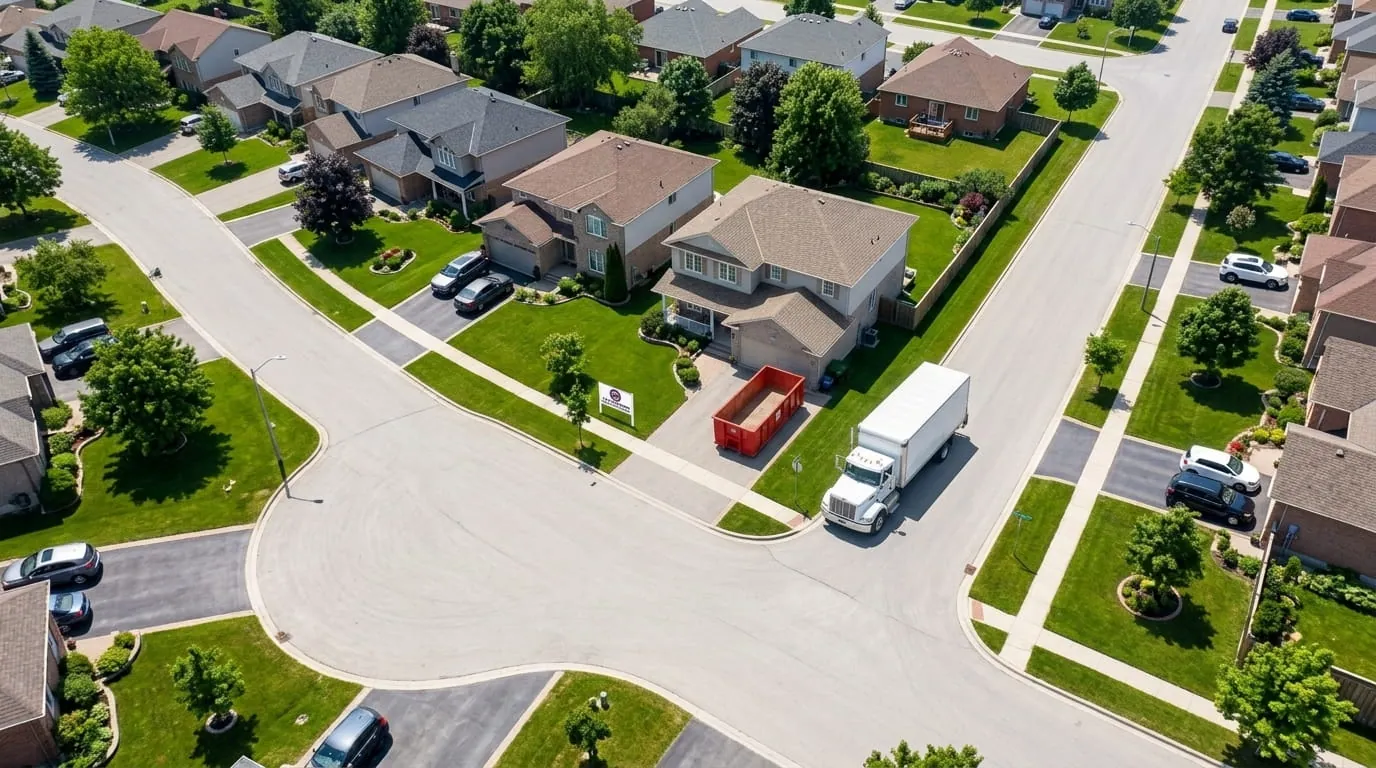
If you live or run a business in Lynn, you already know the North Shore does trash and recycling a little differently than the towns next door. Between curbside pickup rules, the state's disposal bans, and the odd stuff that shows up during a garage or basement cleanout, figuring out where things actually go can get confusing fast. This guide walks through responsible recycling in Lynn, MA and the wider North Shore, from your weekly blue bin to the paint cans and old mattresses nobody wants to deal with.
We're Lynn Dumpster Rental Group, a locally owned roll-off company, and yes, we rent dumpsters. But a good cleanout isn't about burying everything in a landfill. We divert recyclables, metal, and reusable goods whenever we can, and we'd rather point you to the right free or low-cost option first. A dumpster is the right tool for bulk debris, not for a single load of things that could be recycled or donated.
Curbside recycling basics in Lynn
Lynn runs single-stream curbside recycling, which means paper, cardboard, metal cans, glass bottles, and most rigid plastics go into one cart or bin together. Single-stream is convenient, but it only works if people keep the wrong stuff out. The number one problem across Massachusetts isn't people who don't recycle, it's "wishcycling," tossing in things you hope are recyclable but aren't.
What belongs in the bin
- Clean, dry paper and flattened cardboard
- Metal food and beverage cans
- Glass bottles and jars
- Plastic bottles, jugs, and tubs (empty and rinsed)
What to keep out
- Plastic bags and film (they tangle sorting machinery, take them back to a store drop-off)
- Food-soiled containers, greasy pizza boxes, and paper towels
- Tanglers like hoses, cords, and holiday lights
- Small items smaller than a credit card (they fall through sorting screens)
When in doubt, don't wishcycle. A dirty jar or a bag of shredded paper can contaminate a whole load. The state's MassDEP and RecycleSmart resources include a searchable "Recyclopedia" that tells you exactly what to do with almost any item, and the City of Lynn website publishes the current curbside schedule, cart sizes, and any holiday changes. Always confirm the latest details there, since programs and pickup days change.
Household hazardous waste: paint, chemicals, batteries
Here's a rule that trips up a lot of homeowners during a cleanout: the stuff under your kitchen sink and out in the garage usually can't go in the trash or the recycling bin. Household hazardous waste (HHW) includes oil-based paint, solvents, pesticides, pool chemicals, automotive fluids, and similar products. These need a dedicated collection event or facility, not your curb.
Communities on the North Shore periodically host HHW collection days, and some are organized regionally so residents from several towns can attend. Because dates, locations, and eligibility rotate, check the City of Lynn site or MassDEP for the current schedule rather than assuming last year's event still applies.
A few specific items worth calling out:
- Latex (water-based) paint is not hazardous. Dry it out fully with kitty litter or a paint hardener, then the dried-solid can generally go in the regular trash with the lid off. Oil-based paint is HHW and must go to a collection event.
- Batteries. Single-use alkaline batteries can typically go in the trash in Massachusetts, but rechargeable, lithium, and button batteries should be recycled at drop-off points (many hardware and electronics retailers host bins). Never put lithium batteries in your curbside recycling, they start fires in trucks and at sorting facilities.
- Fluorescent bulbs and CFLs contain mercury and should go to a hardware store take-back or an HHW event, never the trash.
A cleanout is the perfect time to finally deal with the hazardous odds and ends that have been migrating around your basement for a decade. Set them aside early, look up the next collection event, and keep them out of the dumpster, we can't take hazardous materials in a roll-off, and neither can the landfill.
Electronics and e-waste recycling
Old TVs, monitors, and computers are banned from Massachusetts landfills, and for good reason, they contain lead, mercury, and other materials you don't want leaching into the ground. Many electronics retailers and municipal drop-off programs accept e-waste, sometimes for a small fee on CRT televisions and monitors. Data-bearing devices like laptops and phones should be wiped or physically destroyed first. Check with the city for the current e-waste drop-off option and any charges.
Scrap metal, appliances, and "white goods"
Metal has real value, which is why it almost never needs to hit a landfill. Old appliances (fridges, stoves, washers, dryers, water heaters) are known as "white goods," and units with refrigerant require certified freon removal before disposal. Scrap yards on the North Shore will often take clean metal for free, and some will even pay for larger loads.
If you've got a pile of mixed metal from a renovation, we can help. During a cleanout we pull steel, aluminum, and appliances for recycling rather than letting them ride to the landfill. For heavy demolition material, our concrete and heavy debris service keeps dense loads separated and handled correctly.
Yard waste and composting
Massachusetts bans yard waste from the trash, so leaves, grass clippings, brush, and branches need to be composted or collected separately. Lynn runs seasonal yard waste collection, typically with paper bags or open barrels on scheduled weeks in spring and fall, and residents can compost at home to cut down on what leaves the property in the first place.
For a big overgrown-yard reset, storm cleanup, or a landscaping tear-out that's too much for a few paper bags, our yard waste removal service handles brush, branches, and organic debris in bulk, and that material is routed to composting or processing rather than landfill wherever possible.
Donate and reuse before you toss
The greenest disposal route is the one where the item stays in use. Furniture, working appliances, building materials, clothing, housewares, and usable tools all have a second life ahead of them if they're in decent shape. Local charities, reuse centers, and building-material resale shops on the North Shore take a wide range of goods, some will even pick up larger furniture.
Before you fill a dumpster, do a quick triage: donate pile, recycle pile, and true trash. You'll often find the trash pile is smaller than you expected, which can mean a smaller container and a lower bill. When you do have genuine junk, our junk removal service can clear it out, and we sort for recyclables and donatable items along the way.
Mattress recycling and the Massachusetts disposal ban
This one catches people off guard. Massachusetts has a statewide ban on disposing of mattresses and box springs in the trash. Roughly three-quarters of a mattress, the foam, fibers, steel springs, and wood, can be recycled, so the state requires them to be diverted rather than landfilled. That means you can't just toss a mattress in a dumpster and forget about it.
You have a few options: schedule a mattress recycling drop-off or pickup through a participating program, or let us handle it as part of a larger cleanout. Because the ban is enforced at the disposal facility, mattresses have to be tracked and handled separately, so tell us up front if you've got them, and we'll make sure they're routed to a recycling program. Textiles and clothing are also banned from Massachusetts trash, so keep those out of the dumpster too.
Quick reference: where does it go?
| Item type | Recommended disposal route |
|---|---|
| Paper, cardboard, cans, glass, rigid plastic | Curbside single-stream recycling |
| Plastic bags and film | Store drop-off (never curbside) |
| Oil-based paint, solvents, pesticides | Household hazardous waste event |
| Latex paint | Dry it solid, then regular trash |
| Rechargeable / lithium / button batteries | Retailer take-back bins |
| TVs, monitors, computers | E-waste drop-off (banned from landfill) |
| Appliances / scrap metal | Scrap yard or cleanout diversion |
| Leaves, brush, branches | Yard waste collection or composting |
| Usable furniture, clothing, housewares | Donate / reuse center |
| Mattresses and box springs | Mattress recycling (trash ban) |
| Mixed bulk cleanout debris | Rented roll-off dumpster |
When a rented dumpster is the right tool
After you've recycled, donated, and set aside the banned and hazardous items, you're often left with a real pile of genuine debris: construction and demolition waste, old carpet, broken furniture, a whole-house cleanout, an estate, or a flooded basement. That's exactly what a roll-off is built for. A dumpster is the right tool when the volume is high, the material is mixed, and hauling it yourself in car loads would take a dozen dump runs.
We think of the dumpster as complementary to recycling, not a replacement for it. We divert what we can, keep banned materials out of the landfill, and give you one container to work at your own pace. Not sure which size fits, or whether your project is better handled as junk removal? See all our dumpster and cleanout services or get in touch through our contact page and we'll help you plan it.
Ready to knock out that cleanout the responsible way? Call Lynn Dumpster Rental Group at (781) 560-9348 and we'll match you with the right container, help you divert the recyclables, and keep your project moving. Reduce, reuse, and recycle first, then let us handle the rest. Call (781) 560-9348 today to book your roll-off.
Founder, Lynn Dumpster Rental Group — sharing straight advice from more than 15 years of local hauling experience.
Frequently Asked Questions
What can I put in my curbside recycling bin in Lynn, MA?
Lynn uses single-stream recycling, so clean paper, flattened cardboard, metal cans, glass bottles and jars, and empty rinsed plastic bottles, jugs, and tubs all go in one bin. Keep out plastic bags and film, food-soiled containers, tanglers like cords and hoses, and anything smaller than a credit card. When unsure, check the RecycleSmart Recyclopedia rather than wishcycling. Confirm the current schedule on the City of Lynn website.
How do I get rid of paint, chemicals, and batteries?
Oil-based paint, solvents, pesticides, and pool or automotive chemicals are household hazardous waste and must go to a collection event, not the trash or a dumpster. Latex paint can be dried solid with kitty litter or hardener and then trashed. Rechargeable, lithium, and button batteries go to retailer take-back bins. Check the City of Lynn site or MassDEP for the next hazardous waste collection date.
Can I throw a mattress in a dumpster in Massachusetts?
No. Massachusetts has a statewide ban on disposing of mattresses and box springs in the trash because most of the materials can be recycled. Textiles and clothing are banned too. Route mattresses to a participating recycling program, or tell us up front during a cleanout and we will make sure they are handled and diverted separately from the rest of your roll-off.
Where do old TVs, computers, and appliances go?
Televisions, monitors, and computers are banned from Massachusetts landfills and should go to an e-waste drop-off, sometimes with a small fee on CRT units. Wipe or destroy data on laptops and phones first. Appliances and scrap metal can go to a North Shore scrap yard, often for free, and fridges need certified refrigerant removal. During a cleanout we pull metal and appliances for recycling.
When should I rent a dumpster instead of recycling or donating?
Recycle, donate, and set aside banned or hazardous items first. A rented roll-off is the right tool when you are left with high-volume mixed debris, such as construction waste, a whole-house or estate cleanout, old carpet and furniture, or a flooded basement. We still divert recyclables and keep banned materials out of the landfill. Call (781) 560-9348 and we will help you size it right.