If you're reading this, chances are you've been handed a set of house keys and a heavy heart. Clearing out the home of someone you love is one of the hardest jobs a person can be asked to do. It's rarely just about stuff. It's about memory, grief, family, and time you may not feel ready to spend. So first, a word of reassurance: there's no prize for doing this quickly, and there's no wrong pace. This guide is here to make an overwhelming task feel a little more manageable, one step at a time.
Below is a practical estate cleanout checklist built from years of helping families across Lynn and the North Shore. Take what's useful, leave what isn't, and be kind to yourself along the way.
Before You Begin: Give Yourself Permission to Go Slow
Grief and logistics don't mix easily. You may find yourself sitting on the floor of a closet for an hour, holding a single scarf. That's normal. That's human. Try to separate the emotional work from the physical work when you can, and enlist help so you're not alone in an empty house full of echoes.
A few gentle ground rules before the first box is packed: don't throw anything away in the first week if you can avoid it, don't make big decisions while exhausted, and don't let anyone rush you into decisions you'll regret.
Step 1: Secure Important Documents and Valuables First
Before any sorting begins, protect what's irreplaceable or valuable. Homes get visited by many people during an estate transition, and small items disappear easily. Walk through and gather these into one secure box or bag you keep with you:
- The will, trust documents, and any letters of instruction
- Birth certificates, Social Security cards, marriage and death certificates
- Deeds, titles, insurance policies, and financial statements
- Jewelry, cash, coins, watches, and small collectibles
- Keys, passwords, and anything that unlocks accounts or safes
Check the usual hiding spots older generations trusted: freezers, coat pockets, book pages, under drawer liners, and inside coffee cans. People who lived through lean times often tucked cash and jewelry in surprising places.
Step 2: Understand the Will, the Executor Role, and the Timeline
If there's a will, it names an executor (in Massachusetts, often called the personal representative) who has the legal authority and responsibility to settle the estate. If you're that person, know that you generally shouldn't distribute or dispose of major assets until the estate is properly opened through probate. When in doubt, a short call with a probate attorney can save you months of trouble.
Timelines vary. Some families need to clear a rental quickly; others own the home outright and can breathe. Match your urgency to your real deadline, not to pressure from anyone else.
Gentle tip: Before you sort a single drawer, take slow photos or a short video of each room as it was. Later, when the house is empty, those images become a comfort and a record you'll be glad you have.
Step 3: Sort Room by Room Into Five Piles
Trying to tackle a whole house at once is how people burn out. Instead, close every door and open just one. Finish a single room, or even a single closet, before moving on. Give yourself the satisfaction of a completed space.
As you work, sort each item into one of five categories: keep, donate, sell, recycle, or toss. Physical labels or colored sticky notes help family members see decisions at a glance and reduce arguments. Speaking of which, decide as a family up front how disagreements over an item will be settled, before emotions run high.
The Category Guide
Here's a quick reference for what tends to belong where. Use it as a starting point, not a rulebook.
| Category | What to Do With It |
|---|---|
| Sentimental keepsakes | Set aside in a clearly marked box; decide slowly, never under pressure |
| Antiques & fine art | Have appraised before selling, donating, or discarding anything |
| Usable furniture & housewares | Donate to local charities or sell through consignment or online marketplaces |
| Clothing & linens | Donate what's clean and wearable; recycle worn textiles rather than trashing them |
| Books, dishes, decor | Offer to family, then donate; libraries and thrift shops often welcome books |
| Electronics & appliances | Recycle at an e-waste facility; some are hazardous and can't go in the trash |
| Paper & documents | Shred anything with personal or financial information |
| Broken, stained, or unusable items | Toss into a rented dumpster; this is usually the largest pile |
| Paint, chemicals, batteries | Take to a household hazardous waste drop-off, never the regular trash |
Step 4: Handle Sentimental Items With Extra Care
The keepsakes are where families get stuck, and understandably so. You cannot keep everything, but you don't have to decide today. A good practice is to give each grieving family member a limited number of boxes for the things that truly matter to them. Meaning lives in a few objects, not a whole house.
When something is too painful to sort, photograph it and let the image carry the memory. Quilts can be made from old shirts. A single teacup can hold a grandmother's whole kitchen. You're allowed to keep the story and release the object.
Step 5: Get Appraisals Before You Assume Anything Is Junk
That dusty painting, the old costume jewelry, the tarnished silver, the boxes of coins, the mid-century chair no one wanted, these are exactly the things families accidentally give away for nothing. Before donating or discarding anything that could have value, get a professional appraisal or at least a second opinion from a reputable dealer. An hour of an appraiser's time can pay for itself many times over.
Step 6: Donate and Consign the Good Stuff
Giving a loved one's belongings a second life can be quietly healing. Around Lynn and the North Shore, you'll find charity thrift stores, church-run donation programs, and organizations that furnish homes for families in need. Many will pick up larger furniture if you ask. For higher-value pieces, consignment shops and estate sale companies can turn belongings into funds for the estate.
Call ahead before loading the car. Donation centers have limits on what they can accept, and knowing the rules saves you a wasted trip. If sorting the donations feels like more than you can lift, our junk removal team can help separate and haul the load.
Step 7: Rent the Right-Sized Dumpster for Everything Else
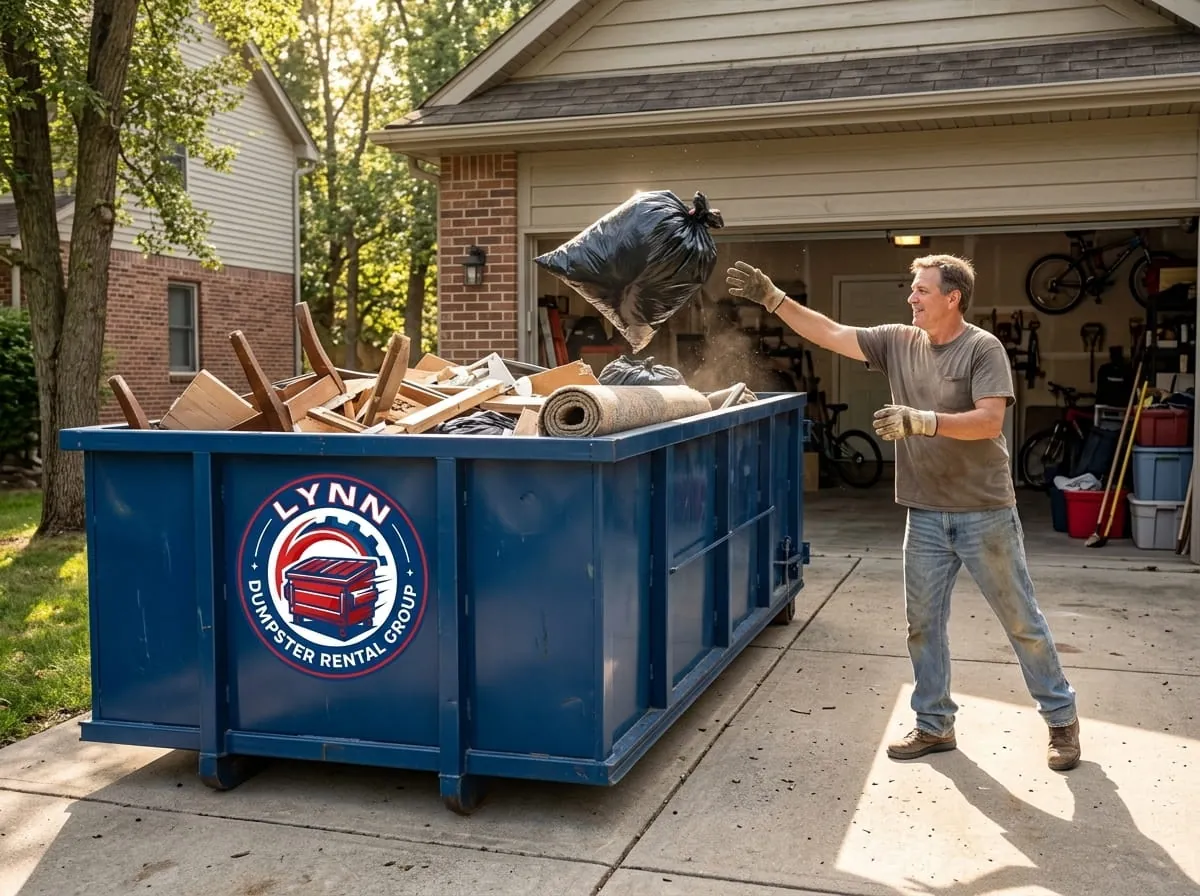
Once the keep, donate, and sell piles are settled, what remains is often a genuinely large volume of debris: broken furniture, worn carpeting, cabinetry, decades of accumulated odds and ends. This is where a roll-off dumpster turns a month of trips to the dump into a few calm days at home.
For a single room, a garage, or a modest apartment, a 20-yard dumpster is usually the right fit. For a full house cleanout, especially a multi-bedroom home with a basement and attic, a 30-yard dumpster gives you room to work without stopping. Not sure which you need? Tell us about the home and we'll help you choose. Call (781) 560-9348 and we'll walk you through it, no pressure.
We also handle full-service estate cleanouts when the whole job feels like too much to carry alone.
Step 8: Work Safely
Older homes hold hazards that are easy to overlook when you're tired and grieving. Please protect yourself:
- Wear sturdy gloves and closed shoes; old boxes hide sharp edges and pests
- Lift with your legs, and never carry heavy items down stairs alone
- Watch for mold, mouse droppings, and dust; open windows and wear a mask
- Set aside medications for proper disposal, never the trash
- Take breaks, drink water, and stop before you're exhausted
When to Hire Help
There is no shame in admitting this is too big to do alone. If the home is packed to the ceilings, if you live out of state, if your health won't allow heavy lifting, or if the emotional weight is simply too much right now, calling in professional help is an act of wisdom, not weakness. A good crew handles the heavy, dusty, painful parts so you can focus on the decisions only you can make.
When you're ready, or if you just need someone to talk through the options with, reach out. You can contact us here or call (781) 560-9348. We're local, we've helped many North Shore families through this exact moment, and we'll treat your loved one's home with the respect it deserves.
Take it one room at a time. You're doing better than you think.
Founder, Lynn Dumpster Rental Group — sharing straight advice from more than 15 years of local hauling experience.
Frequently Asked Questions
How long does an estate cleanout usually take?
It depends on the size of the home, how much has accumulated, and how much sorting is needed. A small apartment might take a weekend, while a full multi-bedroom house with a basement and attic can take several weeks. Give yourself grace, and don't rush decisions about sentimental or valuable items. If you're on a tight deadline for a rental or sale, a dumpster and professional help can compress the timeline considerably.
What should I secure first when clearing a loved one's home?
Start by gathering important documents (the will, deeds, financial statements, and identification) and valuables like jewelry, cash, coins, and small collectibles into one secure box you keep with you. Homes in transition see a lot of foot traffic, and small items go missing easily. Check unusual hiding spots such as freezers, book pages, and coffee cans, where older generations often tucked away cash and jewelry.
What size dumpster do I need for an estate cleanout?
For a single room, garage, or small apartment, a 20-yard dumpster is usually sufficient. For a full house cleanout with a basement and attic, a 30-yard dumpster gives you room to work without interruption. If you're unsure, call us at (781) 560-9348 and describe the home; we'll help you choose the right size so you don't pay for space you won't use or run out mid-project.
What should I do with sentimental items I can't keep?
You don't have to decide everything at once. Set keepsakes aside in a clearly marked box and revisit them when you're calmer. Give each family member a limited number of boxes for what truly matters. For items you can't keep physically, photograph them so the memory lives on, or repurpose them, such as turning old clothing into a quilt. You're allowed to keep the story and release the object.
Can you help if the home is too much for us to handle alone?
Absolutely, and there's no shame in asking. Whether the home is packed full, you live out of state, or the emotional weight is simply too heavy right now, we offer full-service estate cleanouts across Lynn and the North Shore. Our crew handles the heavy, dusty, and difficult parts with care and respect, so you can focus on the decisions only you can make. Call (781) 560-9348 whenever you're ready.